

Unlocking Buyer Psychology: How Staging Transforms Property Sales
Selling a property quickly and at the right price is a challenge many homeowners, developers, and investors face. The difference between a home that sells in weeks and one that sits on the market for months often comes down to how buyers perceive the space. Staging is not just about decorating a home; it’s about understanding buyer psychology and creating an environment that motivates offers. Drawing from experience staging hundreds of properties across Essex, Hertfordshire, Suffolk, and beyond, this post explores how professional presentation influences buyer decisions and how you can use these insights to position your property for maximum impact.

Why Staging Goes Beyond Interior Design
Many people think staging is simply about making a home look pretty. While aesthetics matter, staging is primarily about how buyers feel when they walk through a door. Buyers imagine their lives in the space, and staging helps them see the potential clearly. It removes distractions and highlights the home’s best features.
For example, a cluttered room can make a space feel smaller and less inviting. By contrast, a staged room with carefully chosen furniture and decor creates a sense of flow and purpose. This emotional connection encourages buyers to picture themselves living there, which speeds up decision-making.
Understanding Buyer Psychology in Property Sales
Buyers are influenced by several psychological triggers during the home-buying process:
First impressions matter: Buyers form opinions within seconds of entering a property. A clean, well-lit, and thoughtfully arranged space sets a positive tone.
Perceived value affects offers: When a home looks move-in ready, buyers are less likely to negotiate aggressively on price.
Urgency drives action: A staged home that feels desirable can create competition among buyers, leading to quicker offers.
Space perception influences decisions: Proper staging can make rooms appear larger and more functional, which appeals to buyers’ practical needs.
By focusing on these psychological triggers, staging helps sellers avoid price reductions and long waiting periods.

How Staging Removes Price Negotiation and Creates Urgency
When buyers see a property that feels cared for and ready to live in, they often assume the asking price is fair. This perception reduces the likelihood of lowball offers. Staging also highlights the unique selling points of a home, such as natural light, storage space, or architectural details, which justify the price.
Creating urgency is another key benefit. A well-staged home can stand out in a crowded market, prompting buyers to act quickly before someone else does. This urgency often leads to multiple offers and a faster sale.
Practical Staging Tips That Work in Southeast England
Based on our extensive experience in Essex, Hertfordshire, Suffolk, and surrounding areas, here are some staging strategies that consistently deliver results:
Neutral color palettes: Use soft, neutral tones to appeal to a broad range of buyers and make spaces feel larger.
Declutter and depersonalize: Remove personal items and excess belongings to help buyers imagine their own life in the home.
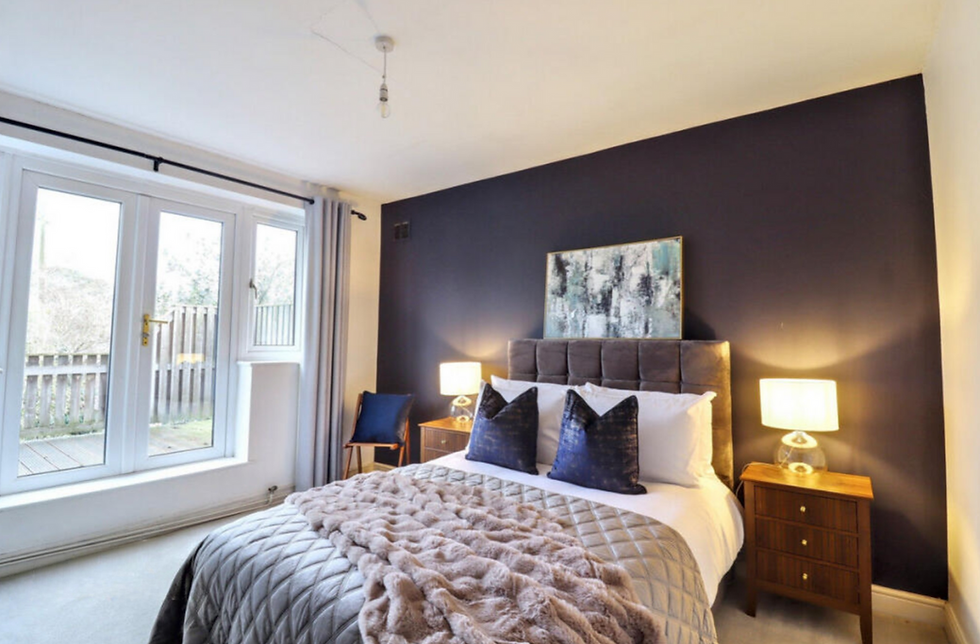
Highlight key rooms: Focus on staging the living room, kitchen, and master bedroom, as these rooms influence buyer decisions the most.
Maximize natural light: Open curtains and use mirrors to brighten spaces.
Add inviting touches: Fresh flowers, a bowl of fruit, or a cozy throw can make a home feel welcoming without overwhelming the space.
Use furniture to define spaces: Properly placed furniture helps buyers understand how rooms can be used.
Staging for Different Types of Sellers
Family Homes
Families look for comfort, space, and functionality. Staging should emphasize family-friendly features like storage, play areas, and open-plan living. Showcasing a safe, warm environment helps buyers connect emotionally.
New Developments
For developers, staging helps buyers visualize the finished product. Empty show homes can feel cold and uninviting. Adding furniture and decor creates a lifestyle image that encourages buyers to commit.
Investment Properties
Investors want to see potential rental income and ease of maintenance. Staging should highlight durability, low upkeep, and attractive living spaces that appeal to tenants.
Real Examples of Staging Success
In one Essex property, staging transformed a dated, cluttered house into a bright, modern home. The owners received three offers within two weeks, all above asking price. In Suffolk, a developer’s empty new build struggled to attract buyers until staging created a warm, lived-in feel. The property sold within a month.
These examples show how staging influences buyer psychology and accelerates sales.
Final Thoughts on Using Staging to Sell Your Property
Staging is a powerful tool that taps into buyer psychology to make properties more appealing and valuable. It goes beyond decoration to create emotional connections, reduce price negotiations, and generate urgency. Whether you are selling a family home, marketing a development, or building an investment portfolio in Southeast England, understanding and applying these staging principles can make a significant difference.
If you want your property to stand out and sell faster, consider professional staging as an investment that pays off in quicker sales and better offers. The right presentation helps buyers see the full potential of your property and motivates them to act.


Comments