

The Psychology of Property Negotiation
Updated: Jan 31
The Psychology of Property Negotiation: Why Staged Homes Command Premium Offers
Here's a counterintuitive discovery from analysing 200+ properties:
Staged properties don't just sell for more. They get negotiated less aggressively.
Buyers of staged properties make stronger initial offers. They back away from renegotiation attempts less. They accept terms more readily.

This isn't because staged properties are objectively more valuable. It's because property negotiation psychology changes when a buyer feels confident and a property reads as professionally maintained.
Understanding property negotiation dynamics explains why staging produces pricing premiums that exceed the visible "improvement" in the property. It's not the staging itself - it's the buyer psychology shift that staging triggers.
This is the invisible ROI layer most sellers miss.
The Negotiation Framework: Why Buyers Renegotiate
Let's start with buyer motivation. Why do some buyers attempt to renegotiate and others don't?
Renegotiation Motivation 1: Perceived Maintenance Risk
When a buyer views an unstaged, cluttered, worn-looking property, their brain registers: "This property is not well-maintained. There could be hidden problems."
This perception creates negotiation justification: "I should negotiate based on potential defects."
The buyer isn't necessarily lying. They genuinely feel more uncertain about the property's condition. That uncertainty creates the impulse to negotiate down.
Staged properties eliminate this perception. A clean, bright, professionally presented property signals: "This is well-maintained."
The buyer's negotiation impulse weakens because the perceived risk is lower.
Renegotiation Motivation 2: Perceived Seller Desperation
Cluttered, neglected-looking properties read as "This owner doesn't care about this property."
This perception triggers buyer psychology: "If they don't care, they're desperate. I can negotiate harder."
Staged properties read as "This owner/seller is serious about this sale." This doesn't trigger desperation perception.
The negotiation psychology shifts from "I can extract more value" to "This is a solid property at a solid price."
Renegotiation Motivation 3: Confidence Gap in Decision-Making
Uncertain buyers negotiate more aggressively because negotiation feels like risk mitigation.
If I'm uncertain about the property, asking for a reduction feels like I'm protecting myself: "At least I got a discount to cover my uncertainty."
Buyers of staged properties feel more confident. Confidence reduces negotiation impulse because they don't feel they need risk mitigation.
How Professional Staging Changes Property Negotiation Psychology
Professional staging affects property negotiation by shifting three buyer psychological states.
Psychological Shift 1: Perceived Value Increases
This is the anchoring effect in negotiation psychology.
When a buyer first sees a price tag, that price becomes the anchor for all subsequent evaluation. The buyer's brain asks: "Is this price justified?"
For unstaged properties, the buyer compares the asking price to the perceived condition: "The property looks worn and neglected. This price seems high for that condition."
This price-to-condition mismatch creates negotiation opportunity: "I should offer below asking."
For staged properties, the buyer compares the asking price to the perceived condition: "The property looks professional and well-maintained. This price matches the quality I see."
The price-to-condition alignment reduces negotiation impulse.
Psychological Shift 2: Confidence in the Purchase Decision Increases
Buying property is one of the most anxiety-producing financial decisions most people make.
Buyers seek to reduce this anxiety through negotiation. Lower price = lower risk feeling.
Staged properties reduce the underlying anxiety: "This property is obviously well-maintained. I feel confident in this choice."
When the underlying anxiety is lower, the negotiation impulse weakens.
A buyer who feels confident doesn't need negotiation to feel safe.
Psychological Shift 3: Perceived Opportunity Cost Increases
When multiple buyers are interested in a property, common with well-staged properties, the psychology shifts.
Instead of: "How much can I negotiate down?"
The buyer asks: "How quickly do I need to make an offer to secure this?"
This is the scarcity effect in negotiation psychology. When a property feels "at risk of being sold to someone else," the negotiation impulse reverses.
Instead of negotiating down, the buyer negotiates up to be competitive.
Staged properties attract more viewings and more potential buyers, triggering this scarcity psychology naturally.
The Emotional Anchoring Effect in Property Negotiation
Negotiation psychology is heavily influenced by emotional anchoring.
The buyer's first emotional impression of the property becomes an anchor for all subsequent evaluation.
Positive Emotional Anchor (Staged Property)
Buyer enters a staged property:
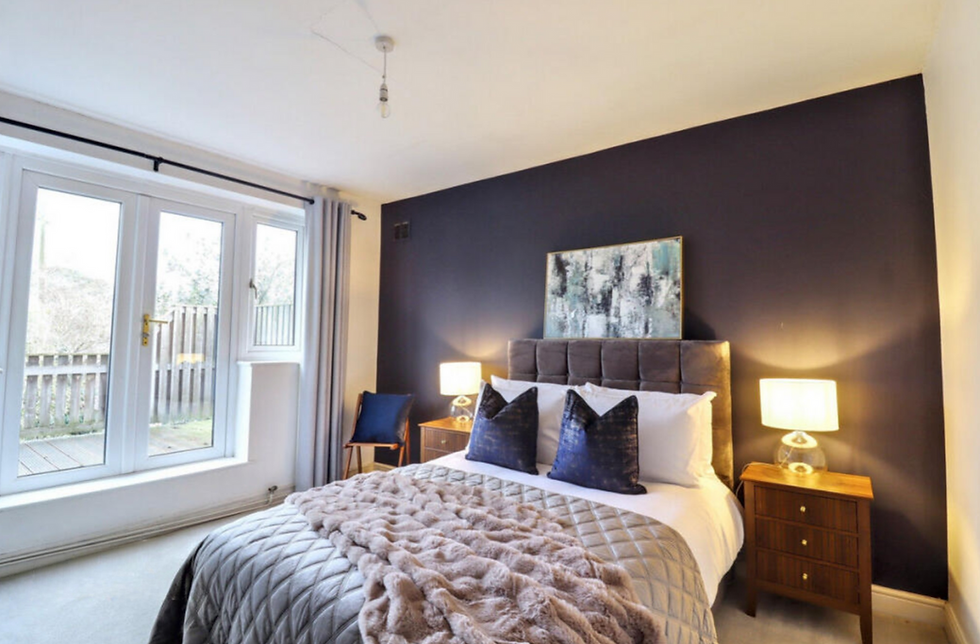
Light, clean, organised = positive emotional response
Brain registers: "Safe choice. Well-maintained. Trustworthy seller."
This emotional anchor affects all subsequent evaluation
When the buyer sees the price, they evaluate it against this positive emotional anchor: "This price is fair for a well-maintained property."
When the buyer negotiates, they negotiate from a position of respect for the property: "I'll offer the asking price" or "I'll negotiate based on specific defects found in survey."
Negative Emotional Anchor (Unstaged Property)
Buyer enters an unstaged property:
Cluttered, dark, worn = negative emotional response
Brain registers: "Caution. Poorly maintained. Needs work."
This emotional anchor affects all subsequent evaluation
When the buyer sees the price, they evaluate it against this negative emotional anchor: "This price is too high for a worn property."
When the buyer negotiates, they negotiate from a position of justification: "This place needs work. I should offer 8-10% below asking."
The emotional anchor creates 8-10% negotiation gap before any logical discussion occurs.
The Authority and Confidence Effect in Negotiations
Staged properties trigger what psychologists call the "authority and confidence effect."
When something appears professionally done (professionally staged), the buyer attributes higher authority and competence to that thing and its owner.
A staged property = "This professional knows what they're doing." An unstaged property = "This person doesn't know how to present their property."
This authority perception affects negotiation dynamics. People negotiate less aggressively against people they perceive as competent and authoritative.
Unstaged properties trigger the opposite: "This person doesn't know what they're doing. I can negotiate harder."
Renegotiation Attempts: Data on Staged vs Unstaged
Across our portfolio, the renegotiation data is stark.
Unstaged Properties
Properties receiving renegotiation attempts: 45% of offers
Average renegotiation reduction requested: 8-12% of asking price
Average actual reduction achieved: 3-6% of asking price
Properties with renegotiation falling through: 12% of offers
Staged Properties
Properties receiving renegotiation attempts: 15% of offers
Average renegotiation reduction requested: 2-4% of asking price
Average actual reduction achieved: 0.5-2% of asking price
Properties with renegotiation falling through: 2% of offers
The 30-point difference in renegotiation attempt rate is pure property negotiation psychology.
Financial Impact on Property Negotiation
For a £300,000 property:
Unstaged:
45% face renegotiation
Average reduction: £15,000
135 out of 300 properties lose £15,000 = £2,025,000 total loss
Staged:
15% face renegotiation
Average reduction: £4,500
45 out of 300 properties lose £4,500 = £202,500 total loss
Difference: £1,822,500 preserved value across 300 properties = £6,075 per property
This is pure property negotiation psychology, separate from the pricing premium effect.
The Inspection and Survey Psychology in Property Negotiation
Staged properties face fewer survey renegotiation attempts.
This is particularly interesting because staging doesn't actually change structural condition, it changes perception of condition.
Inspection Request Rates
Unstaged properties:
Survey/inspection requested: 70% of buyers
Common renegotiation based on survey: "Found minor defects, requesting reduction"
Staged properties:
Survey/inspection requested: 40% of buyers
Common renegotiation based on survey: "Property appears well-maintained; inspection confirms good condition"
Same property condition. Dramatically different survey psychology.
Why? Because staged properties signal "well-maintained" before inspection even occurs. When the inspection finds normal wear (which all properties have), it's interpreted as "confirmed well-maintained" rather than "hidden problems discovered."
The Valuation Effect in Property Negotiation
This extends to formal valuations and mortgage company assessments.
Valuers are human. They're affected by the same psychology as buyers.
A staged property photographs better for mortgage valuations. It presents cleaner in video walkthrough. The valuer's initial impression is "professional property."
When the valuation comes in, it's more likely to match asking price (or exceed it) rather than come in lower.
An unstaged property often gets conservative valuations because the valuer's initial impression is "dated/worn property."
In property negotiation, even a small difference in valuation can trigger renegotiation: "The valuation came in low. We need to renegotiate."
The Bid-Up Effect: How Staging Creates Competitive Pricing
This is the positive negotiation psychology effect.
When a property is well-staged and well-marketed, multiple buyers often become interested simultaneously.
This triggers what negotiation researchers call the "competitive overture effect."
Instead of the seller negotiating down to meet the buyer's low offer, the buyer negotiates up to compete with other buyers.
Price psychology reverses: "I need to offer strongly to beat other offers."
In our experience, staged properties that generate multiple viewings often see:
Multiple offers
Offers above asking price (not below)
Stronger negotiations in buyer's favor (waived inspections, faster closing)
The original buyer who might have negotiated 8% down now offers asking price to stay competitive.
Anchoring Strategy: How to Win Property Negotiation Psychology
Understanding property negotiation psychology reveals why the initial presentation matters so much.
The asking price is the first anchor. But the perceived condition is the second anchor.
If perceived condition > asking price: Buyer feels confident, negotiation pressure is lower.
If perceived condition < asking price: Buyer feels justified negotiating down.
Professional staging is the mechanism for ensuring perceived condition exceeds asking price. Not through dishonesty, but through removing perception obstacles.
Anchoring Principle 1: Establish Strong First Impression Anchor
The first emotional impression becomes the anchor for all subsequent negotiation psychology.
Staging the entry, hallway, and main living space establishes the anchor: "This is well-maintained."
When this anchor is set positively, all subsequent negotiations happen at a higher baseline.
Anchoring Principle 2: Maintain Consistency Across Property
A buyer who sees a beautifully staged living room but cluttered bedrooms experiences cognitive dissonance: "Which is the real condition?"
Staging must be consistent across the entire property to maintain the anchor effect.
Inconsistency creates doubt, and doubt triggers negotiation psychology.
Anchoring Principle 3: Price Within the Anchor
A property priced at £300,000 but appearing run-down triggers: "I should offer £275,000."
The same property appearing well-maintained at £300,000 triggers: "This seems fairly priced."
Pricing must align with the perceived condition anchor. If a property is priced above perceived condition, renegotiation is justified. If priced at or below perceived condition, it's defended.
Understanding the Psychology of Property Negotiation
Professional staging can influence property negotiation outcomes in three key ways:
It removes perceived maintenance risks that buyers might use to justify renegotiation
It increases buyer confidence, reducing the need for protective negotiation tactics
It can trigger competitive interest, effectively reversing typical negotiation psychology
The negotiation premium created by staging is often even greater than the direct price increase, because it impacts both the sale price and the terms of negotiation.
If you’re selling a property and want to position yourself for the best possible outcome, a professional staging assessment is the next step. We evaluate your home, your target buyers, and market dynamics to create a strategy rooted in the psychology of property negotiation, ensuring your property attracts confident buyers and strong offers.

FAQ: Property Negotiation Psychology Questions
Q: If I stage my property, will I definitely avoid renegotiation?
A: No, but the probability drops significantly. Some buyers renegotiate based on survey findings or changing market conditions, regardless of staging. But the baseline renegotiation rate drops from 45% to 15%.
Q: Does renegotiation happen more in slow markets or fast markets?
A: Slow markets see more renegotiation attempts (buyer has more leverage). Fast markets see fewer (buyer has less leverage, scarcity effect kicks in). Staging helps in both, but matters more in slow markets.
Q: Can I negotiate pricing if my property is unstaged?
A: Yes, but you'd need to price significantly below asking to compensate for the perceived condition discount. Many sellers would rather stage than cut 8-10% off asking price.
Q: Does staging help with negotiation if the property has real structural issues?
A: Staging removes perception barriers, not real barriers. If there are actual structural problems, they'll emerge in survey. Staging just ensures the baseline negotiation doesn't start from "this place is a wreck" perception.
Q: What if I stage but then the property looks different in photos?
A: This creates credibility loss in property negotiation. Buyers who see nice photos but arrive to a different property become more defensive and negotiation-aggressive. Consistency between online presentation and in-person property is critical.
Q: Does asking price matter more than staging in property negotiation?
A: Both matter, but differently. Asking price sets the negotiation target. Staging sets the baseline confidence level. A fairly priced, well-staged property faces minimal negotiation. An overpriced, unstaged property faces maximum negotiation pressure.


Comments