

Selling in Winter: Should You Do It?
Honest Advice on Selling in Winter
Everyone tells you not to sell your property in winter. The market slows. Nobody's looking. You'll get a lower offer.
But here's the thing. That's not actually true. Not entirely.
We've sold properties in January that got better offers than they would have in May. We've also sold properties in January that sat on market for months. The difference wasn't the season. It was the strategy.
Selling in winter works. But only if you understand what you're actually dealing with.
Who Actually Buys Properties in Winter?
First question to ask yourself: am I selling to winter buyers or hoping for spring ones?
That changes everything.
Winter buyers are different. They're not browsing on weekend open houses. They're not dreamily imagining Sunday roasts in your garden while spring sunshine streams through windows they haven't seen yet.
Winter buyers often need to buy. They have reasons. Job started in January. Lease ended. Divorce finalised. Something happened that created urgency.
This matters because urgent buyers are serious buyers. They don't compare 20 properties. They don't negotiate for weeks. They evaluate, decide, move.
When you're selling in winter, you're reaching a different buyer type altogether-motivated, serious, and ready to commit.
If you can appeal to that urgency, to that seriousness, selling in winter actually works better than you'd expect.
The Real Winter Selling Disadvantage
Darkness. That's it.
We stage a property beautifully. The photos look stunning. The listing description is perfect. Buyer comes to view at 4pm in January and walks into a dark, cold space.
First impression takes about 8 seconds. And in those 8 seconds, their brain is making decisions based on what they're feeling, not what they're seeing.
A dark room feels small. A cold room feels expensive to heat. Shadows hide space. Everything reads as "closed off."
But here's what's important: that's a fixable problem.
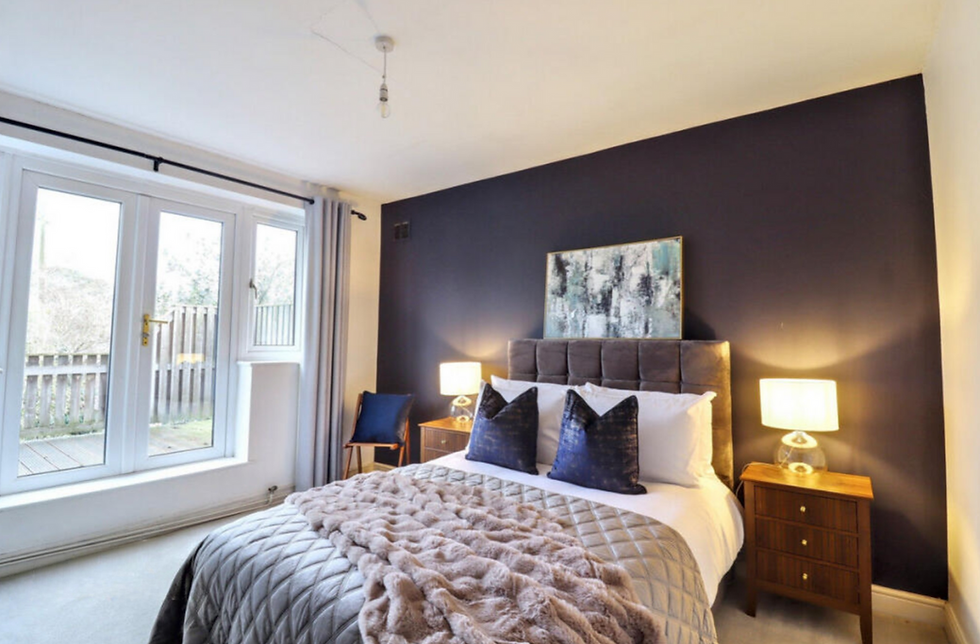
Lights on. Every light. Living room. Kitchen. Bedrooms. Even closets. The property transforms. Suddenly it's not dark. It's warm and inviting.
Most sellers don't do this. They leave lights off. Maybe one in the main room. Then they wonder why buyers aren't interested.
So the real disadvantage of selling in winter isn't winter itself. It's that most people don't adjust their presentation for winter conditions. When you do adjust, the disadvantage disappears.
Why Winter Selling Can Actually Be Better
Less competition is obvious. But there's something less obvious that matters more.
Winter buyers are already convinced that winter is acceptable. They're not wishing they'd waited for spring. They've decided winter works for them.
That means they're evaluating your property on its merits, not on the season. They're not thinking "this would be better in summer." They're thinking "can I actually live here starting now?"
That mental shift is huge. When you're selling in winter, you're not competing with spring dreams. You're competing with other actual winter properties. And if your property is well-presented while others are dark and neglected, you stand out dramatically.
Plus, serious buyers in winter tend to be serious people. They've got their financing sorted. They've thought through what they actually need rather than what sounds nice. When you get an offer, it's usually a solid offer.
When Winter Selling Actually Makes Sense
Don't sell in winter if you're hoping the property will somehow perform better. It won't.
Sell in winter if:
You need to move. Job started. Lease ended. Life circumstances changed. Winter market exists, use it rather than waiting.
You're facing carrying costs. Every month you wait for spring, you're paying mortgage, council tax, utilities. Sometimes selling in winter and accepting fair pricing actually saves money compared to waiting three months and paying carrying costs.
Your property is well-maintained. If your place is genuinely in good condition, winter visibility works in your favour. Fewer competing properties means serious buyers notice you immediately.
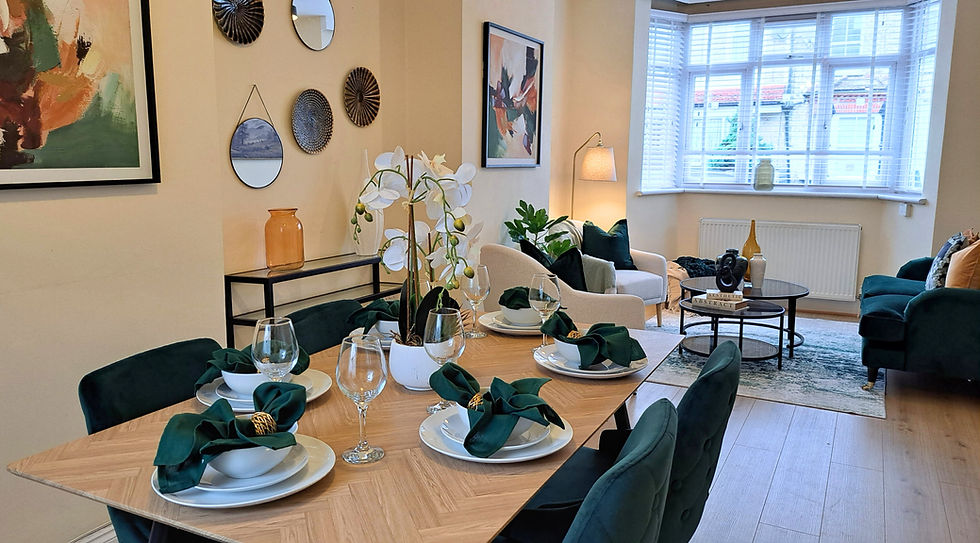
You have professional staging support. If you can stage properly; good lighting, professional photography, warm presentation - selling in winter becomes an advantage, not a burden.
You're selling to investors. Investors buy year-round. They're not seasonal. Selling in winter works fine for investor sales, sometimes better because there's less retail competition.
When Winter Selling Actually Doesn't Make Sense
Don't sell in winter if:
Your property needs major updates. Kitchen looking dated? Bathroom worn? Garden's a mess? Wait for spring when you can refresh these things and buyers can envision updates. Winter darkness hides potential.
You're hoping for premium pricing. If you're selling because you want maximum price, spring's usually better. More buyers means more competition for your property, which pushes prices higher.
Your property shows poorly without natural light. Some places have structural darkness; north-facing rooms, small windows, trees blocking light. Winter makes these issues worse. Spring at least lets natural light compensate.
You're in a highly competitive market area. When March hits in Cambridge or Maidstone and 200 properties come on market, your January listing advantage disappears. Better to wait and stage properly for spring rush.
The Honest Winter Selling Truth
Selling in winter is possible. People do it successfully. But it requires accepting that winter is winter and actually accounting for that in how you present your property.
If you're willing to invest in good lighting, professional photography, warm staging, and fair pricing, selling in winter can work beautifully. You get serious buyers, less competition, and faster decisions.
If you're hoping to sell your property as-is and somehow get spring pricing, winter won't work. That won't work in spring either, but winter especially reveals the gap between hoping and doing.
The question isn't really "should I sell in winter?" The question is "do I actually want to sell, or am I hoping circumstances will improve?"
If you want to sell, selling in winter offers opportunity. Fewer properties, serious buyers, clear advantage for sellers who actually stage properly.
If you're not ready to stage properly, wait for spring. At least then you'll have natural light working with you while you figure it out.



Comments