

Selling your Rental Property
What First-Time Landlords Need to Know
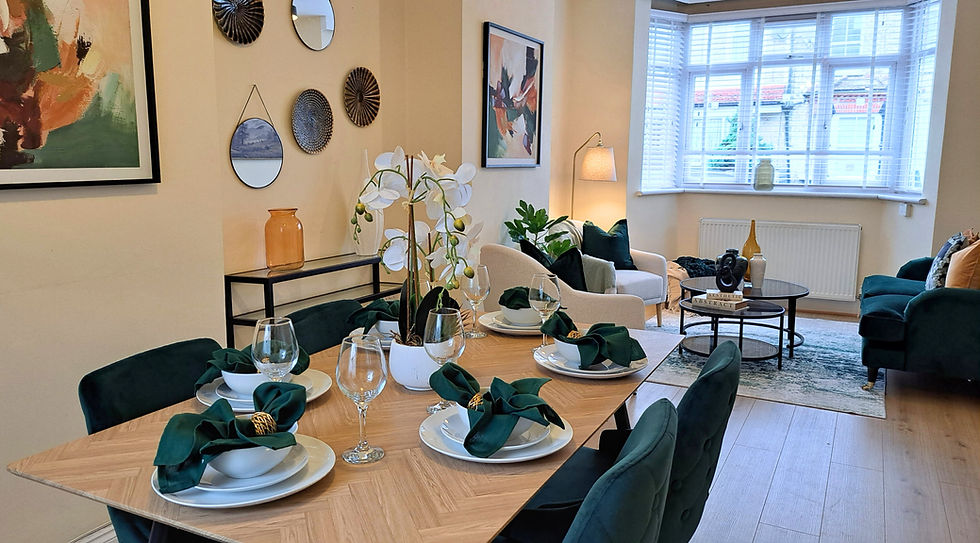
You've been a landlord for a few years. Now you're selling a rental property.
It's different from selling your own home. The psychology is different. The process is different. Buyer expectations are completely different.
Here's what actually matters when you're selling a rental property.
The Tenant Situation When Selling Rental Property
First thing: what happens to your tenants when selling a rental property?
Option 1: Sell vacant. Tenant leaves before sale. Property markets as ready to occupy or rent. Simplest option. Buyers feel no urgency about tenant transition. This is usually best if you can afford the vacancy period.
Option 2: Sell with tenant. Tenant stays. Buyer inherits tenant and lease. Investor buyers actually prefer this. They want immediate income. But tenant must be informed and ideally moved for showings.
Option 3: Sell and tenant moves on closing day. Tenant vacates after closing. New owner gets vacant property. Possible but creates logistics headaches.
Reality? Option 2 is most common because holding an empty rental property for months is expensive.
If you're selling a rental property with a tenant, here's what matters: the tenant situation must be crystal clear in the listing.
Lease length remaining.
Rent amount.
Tenant quality.
Any known issues.
Investor buyers factor this into their offer when you're selling a rental property.
The calculation is "rent minus carrying costs equals yield." They need accurate information.
Staging a Rental Property When Selling (It's Different)
You don't stage a property the same way when selling a rental property versus selling an owner-occupied home.
Tenants live there. You can't ask them to move out for months while you stage. That's unreasonable.
So here's what you actually do when selling a rental property:
Request showings at tenant's convenience. Not your convenience. If tenant works until 6pm, schedule viewings after 6pm. You need tenant buy-in when you're selling a rental property.
Ask tenant to tidy before showings. Clean kitchen. Make bed. Clear clutter. This takes 30 minutes and makes a huge difference. Most tenants will do this happily.

Don't do cosmetic renovations when selling a rental property with occupancy. New paint, new fixtures while someone lives there is disruption hell. Accept the property as-is.
Focus on tenant-appeal signals. Is the property well-maintained? Safe? Functional? These matter to investors more than pretty styling when you're selling a rental property.
Clear and organizsd common areas. Kitchen, living room should show investor buyers that this landlord maintains the property well.
The goal isn't to make it beautiful. The goal is to show investor buyers: "This is a well-maintained property. Tenants are stable. Next landlord will inherit a good situation when selling a rental property."
What Investor Buyers Actually Care About When You're Selling Rental Property
Investors don't buy rental properties because they love the decoration.
They buy because the numbers work.
Rent amount. What's the current rent when selling a rental property? Is it at market rate or below? Investor calculates: can I raise rent if I buy this property, or is it already at market?
Tenant quality. How long has current tenant been there when you're selling a rental property? Are they reliable? Any problems? Good tenant = predictable income. Problem tenant = new landlord's headache.
Property condition. When selling a rental property, will the investor need to do maintenance work immediately? Or is the property in good shape for rental?
Market comparison. What do similar properties rent for in the area? Is this deal priced right for the rental market when you're selling a rental property?
They won't care about:
Whether you painted the walls a trendy colour (they'll repaint anyway)
How nice your furniture is (they'll remove it)
Your personal interior design choices (they have their own)
They will care about whether the property is well-maintained, functional, and the numbers make sense when selling a rental property.


Selling a rental property can be a major decision, especially when you need to consider the property's current market value, rental income, tenant arrangements, and the best time to sell. Working with an experienced local real estate agency can make the process easier by helping you assess the property, prepare it for sale, market it to suitable buyers, and manage negotiations. For landlords who are considering selling, REA Southern offers professional real estate services and local market knowledge to help guide property owners through the sales process and make informed decisions about their rental investments.
Selling a rental property can be a great opportunity when you have the right guidance throughout the process. Whether you're looking to maximize your return or make the sale as smooth as possible, working with experienced local estate agents makes all the difference. If you're considering selling or searching for houses for sale in Rathfarnham, I'd recommend McGuirk Beggan Property. Their local market expertise, professional service, and strong knowledge of the Rathfarnham area can help buyers and sellers achieve the best possible results.